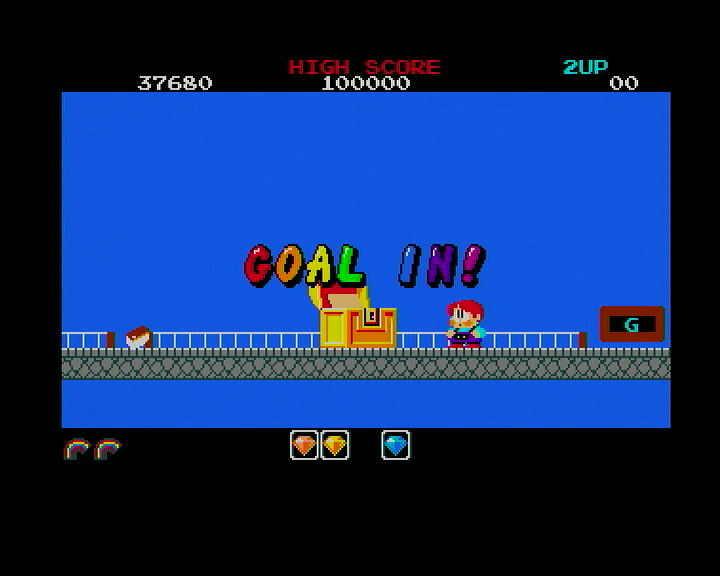
Retro Gaming History By Region
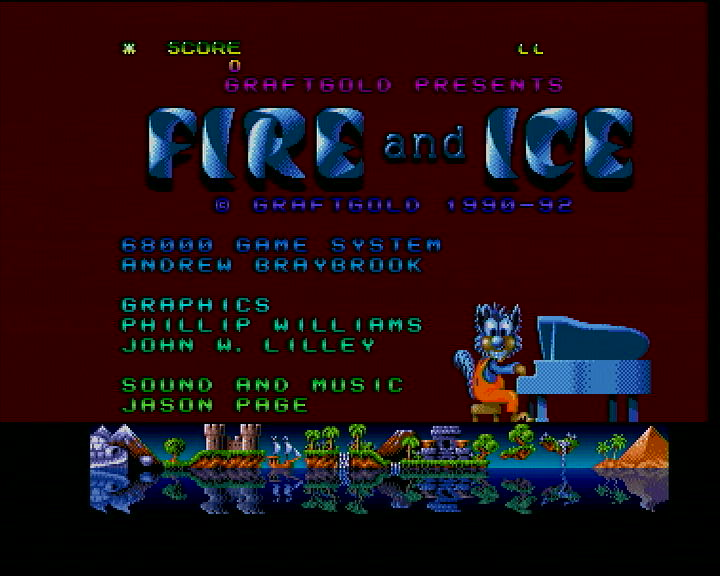
Fire & Ice: The Daring Adventures of Cool Coyote is an Amiga platformer with cute characters, great music and the usually expected utterly brutal difficulty curve of Amiga games of that time. It's a solid game, on my “I want to review this but the undertaking of beating it terrifies me” list, but I'm not here to talk about Fire & Ice as a game. Instead, I am here to highlight the review quote on the box.
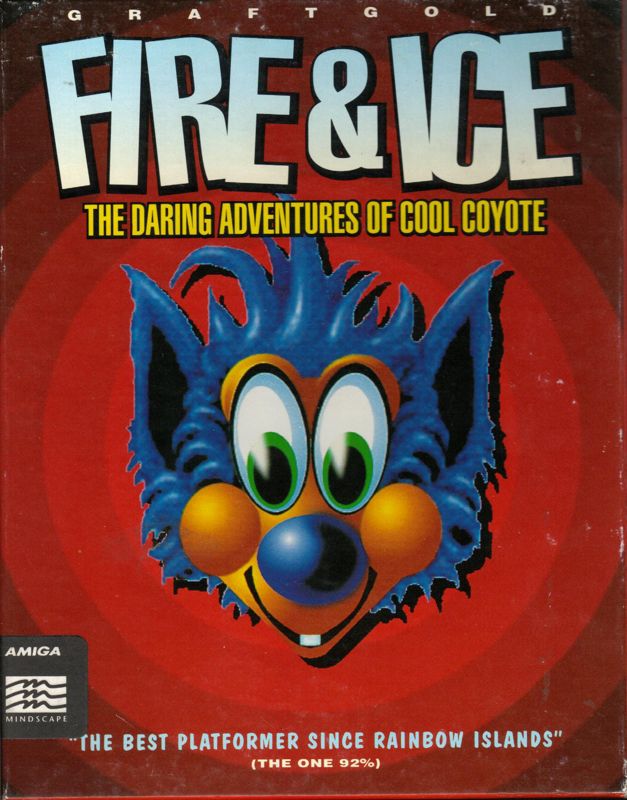
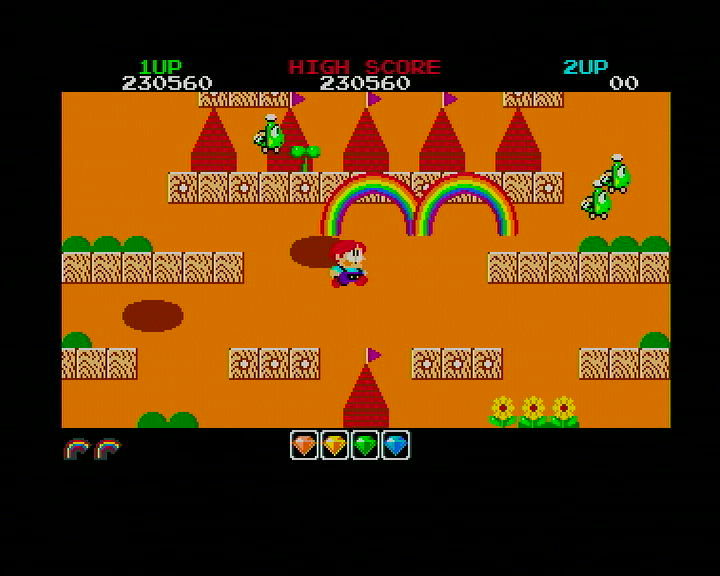
 "The best platformer since Rainbow Islands"
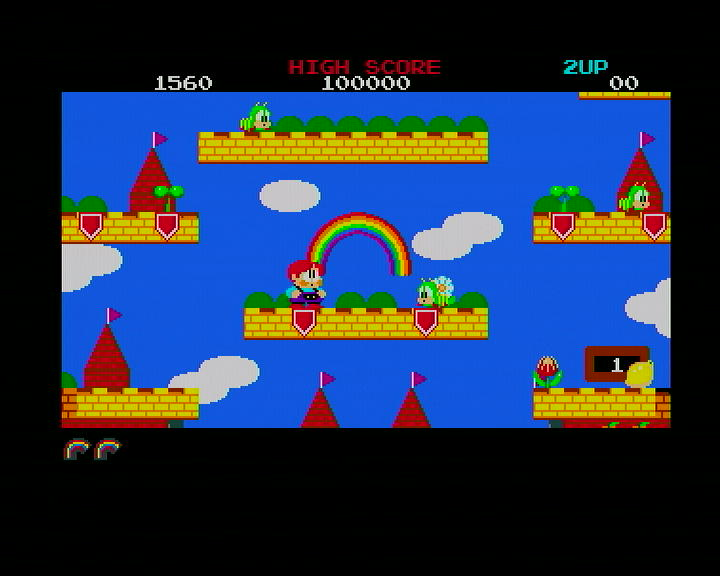
Now, I love Rainbow Islands. Not as much as Bubble Bobble, but it's still a great game. So I don't personally have any objection to this quote. However, isn't this in retrospect an odd benchmark? While Rainbow Islands has gone down as a classic, it's not commonly cited as a landmark defining title of the platforming genre in modern retro gaming circles. It doesn't have that same 'gold standard of gaming' kind of reputation of other platformers from the time of Fire & Ice's release, such as Sonic the Hedgehog on Mega Drive or that other game with the plumber, celebrated enough that all other games are compared to it.
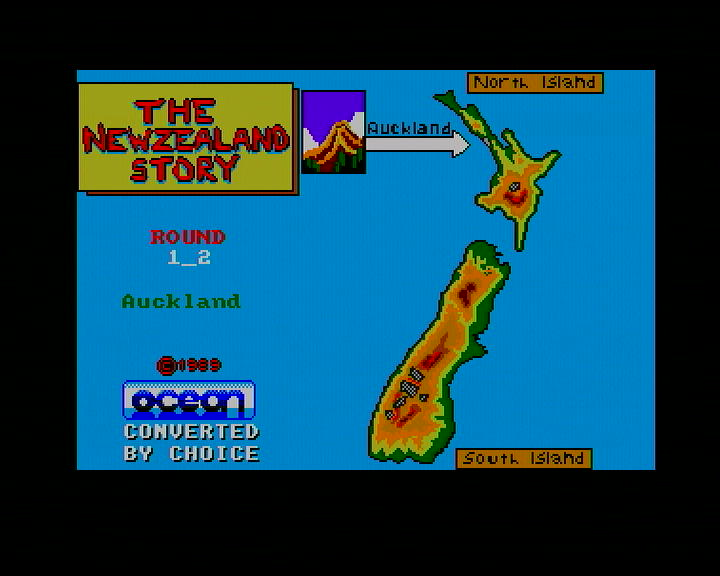
There's an explanation however, and that's the fact that the quote came from The One, a British gaming magazine focused on home computers. Taito’s platformers, from Rainbow Islands to Bubble Bobble to The New Zealand Story, were all especially celebrated in European regions as they all received high quality (for the time) ports to platforms such as the Amiga, Atari ST and Commodore 64, which were some of the most popular gaming platforms of that era in the UK. Simply put, Rainbow Islands was more recognized in Amiga circles and European regions, which is exactly where Fire & Ice would sell the best.
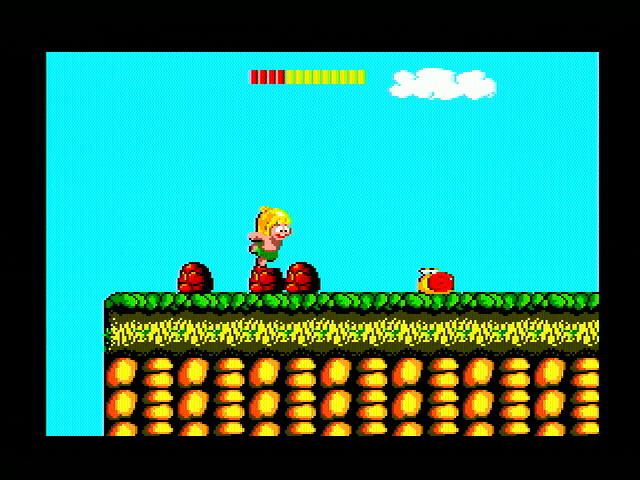
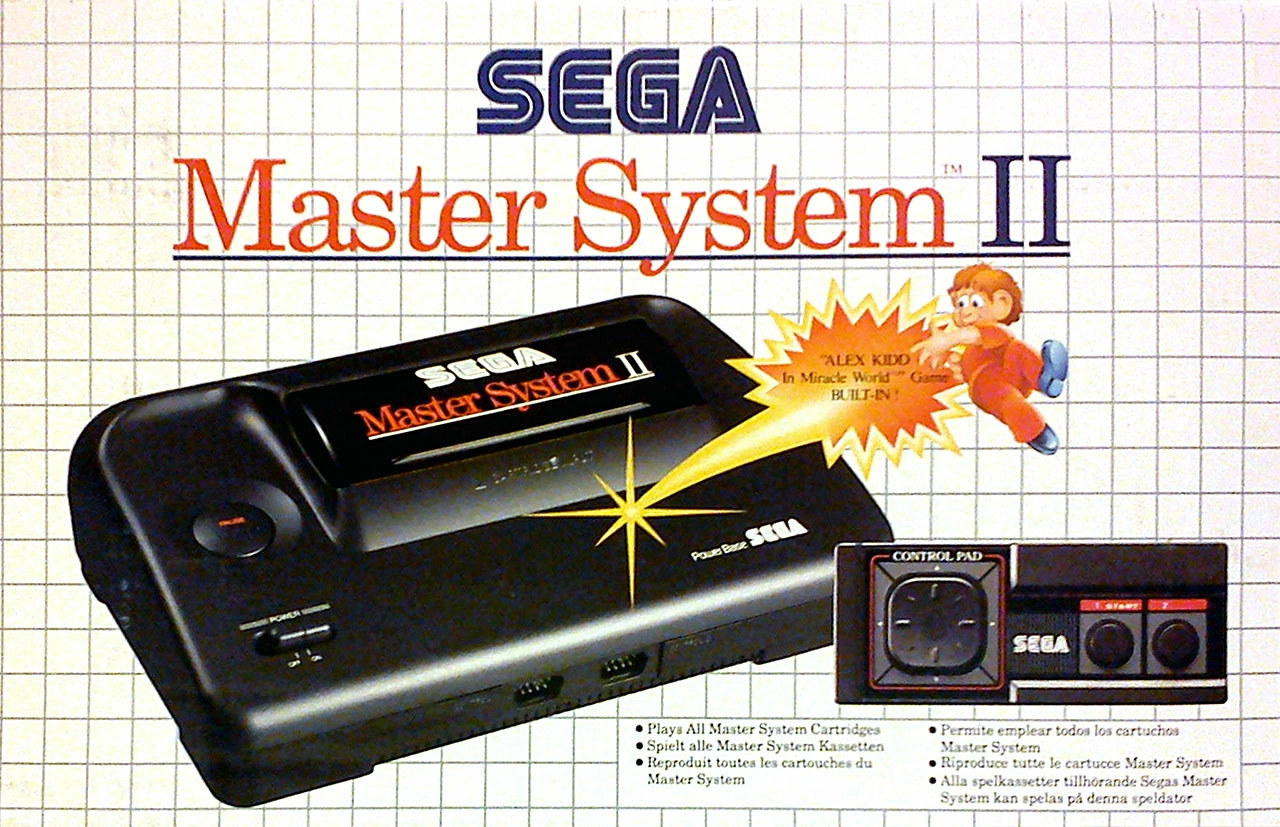 My home country of New Zealand has its own examples of such region-specific retro gaming scenes. Namely, the SEGA Master System was hugely successful here and it decimated Nintendo’s consoles in sales. It was the budget release of the Master System II that resulted in the console really getting widespread adoption, which in addition to being more affordable than alternatives, also came with a free game built into the console’s BIOS; Alex Kidd in Miracle World. I can't overstate how celebrated Alex Kidd is in New Zealand. Back when the Wii Shop Channel was still around and Master System games were released on Virtual Console, Alex Kidd in Miracle World was consistently in the top five bestselling games on the entire storefront. I wasn't even alive at the time of Alex Kidd, yet his influence is still felt in the local retro gaming communities.
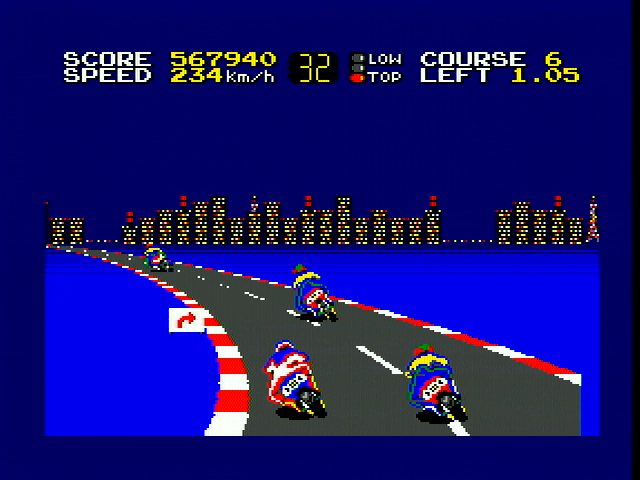
Um, I don't own a Master System II with Alex Kidd built into the console at the moment so I can't get screenshots. Mine has Hang-On. But I used to own it and in fact I even managed to beat it without using the continue cheat, the game is really hard so that isn't easy.
I am aware however that much of what I’m saying could really use some sources to back my claims up, and unfortunately, the Wii Shop Channel is long gone, so I can’t show you the best sellers list as proof of Alex Kidd’s success in the country anymore. How else can I demonstrate the disparity between SEGA’s significance in New Zealand versus Nintendo’s significance in New Zealand? How about a look at the retro gaming market in NZ? If you live in New Zealand, you will be well aware of TradeMe. If not, then the simple explanation is that TradeMe is an auction website that is essentially our local equivalent of eBay. My fellow kiwis and I only really use eBay if we’re importing, and the shipping costs are always awful, so we’re much more likely to default to TradeMe for our used game buying and selling. TradeMe allows you to search for used games by category, so how many games are listed in the categories for the NES, SNES, Master System and Mega Drive?


Yes, the amount of Master System games (611 results) circulating the NZ retro gaming marketplace at the time of writing is nearly triple the amount of the NES and SNES combined (239 results), and the amount of Mega Drive games (407 results) is nearly double the NES and SNES combined. Furthermore, if you look through the selection of NES and SNES games for sale here (which share a single category, further emphasising how small the market for those consoles here was), you’ll end up discovering that many of the retro Nintendo games for sale here are actually imported Famicom and Super Famicom games. These consoles sold so badly here and were released in such small quantities that we have to resort to importing the games from Japan instead of buying local releases. Hell, I don’t even own a NES or SNES, I’ve instead got Famicoms and Super Famicoms.
Now, just so I don’t end up spreading the wrong message here, I do want to clarify that the Game Boy line was always successful in New Zealand, as was the Nintendo 64. It’s specifically the NES and SNES that didn’t get much exposure here, so don’t get the wrong idea and think we just always hated Nintendo in all forms.
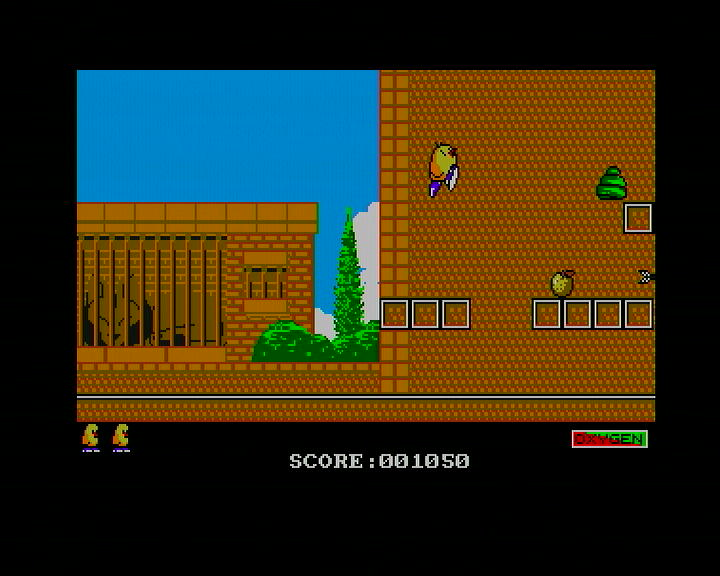
 Part of what is so fascinating to me about retro gaming history is the fact that much of it was before the widespread adoption of the internet. The world was less connected, and as a result, what did or did not catch on in different regions varied depending on local word of mouth, local publications such as magazines, as well as just what games were readily available in the region in question. Often consoles regarded as failures were actually highly successful in foreign countries. The PC Engine outsold the Mega Drive in Japan for instance, with the first SEGA console that really saw major commercial success in the country actually being the SEGA Saturn, a console commonly claimed to be a failure by the west.
Nowadays, due to gaming being a far more internet-reliant hobby with the introduction of widespread digital distribution and online multiplayer, what's popular in one Western country is generally popular in all Western countries. Word of mouth on what's worth playing isn't just local anymore, it's international. This is a good thing as far as I'm concerned. I never would have met my girlfriend without this international cultural exchange we all take part in just by being online. I would never say we should go back, but it's still fascinating to look back on.
And I honestly think that it's a shame that the variety of gaming scenes across different countries is something more or less ignored by many online retro gaming circles. Much of the gaming history and trivia commonly shared and discussed online is very America-centric and as a result paints an image of gaming’s past that isn't actually all that accurate. The narrative of “Nintendo saved gaming worldwide after the video game crash” is somewhat accurate in that the NES kickstarted console development as we know it today, but ultimately the video game crash was smaller scale than it’s hyped up to be, being mostly localised in the United States and primarily applying to specifically console games. Home computers and arcades kept on developing throughout the crash period, with the likes of the Commodore 64, BBC Micro and ZX Spectrum in the UK filling the void Atari left during 1983-1985. In Japan meanwhile, the crash is instead known as the “Atari Shock” in reference to Atari’s dwindling market share and eventual bankruptcy, as video game sales remained strong throughout the period, due to the earlier introduction of the Famicom in Japan than the NES, as well as arcade games remaining popular.
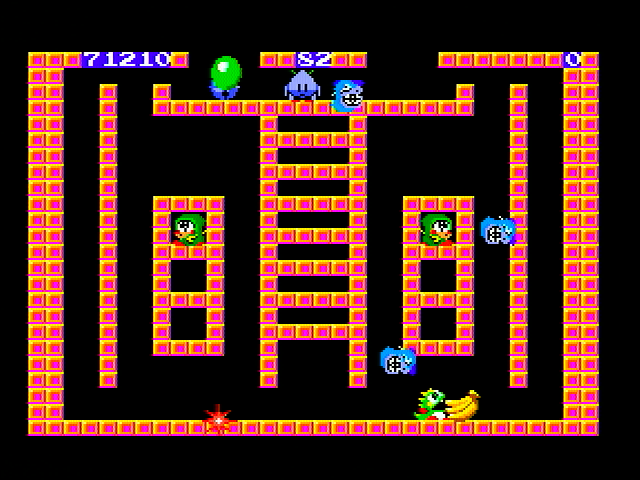
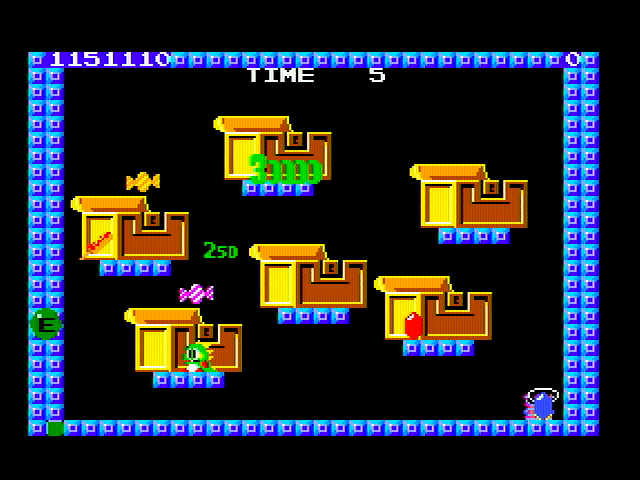 I don’t think it’s just the internet that has resulted in this warped perception of the history of gaming worldwide however. For instance, now that Nintendo is popular worldwide and SEGA is now first-party, you’re going to see a lot more references to classic Nintendo games in modern gaming than you’ll see SEGA references, as Nintendo loves to bank on nostalgia. When you see so many recreations of World 1-1 from Super Mario Bros, how could you not perceive it as an international phenomenon? The game is now regarded as a classic worldwide, and while I must admit I’m not much of a fan of SMB1 (I didn’t really click with the series until Super Mario World), it’s still a deserved reputation and is an important piece of gaming history. By comparison, how many times do you see Rainbow Islands, Bubble Bobble or Alex Kidd in Miracle World referenced in modern games?
I’m sure many would argue that ultimately, Super Mario Bros is still more significant in the overall development of the gaming medium, and I’m not denying that. Alex Kidd was made as a response to Mario, after all. If you were to say that “Mario was the better game so the other ‘derivatives’ don’t matter, and people were just wrong and stupid and didn’t know what they were missing out on when they played other games instead” however, I’d immediately object. The design philosophies and mechanics of all of these games deserve to be celebrated and analysed, regardless of which you consider to be the best. Bubble Bobble is personally my favourite out of this bunch, and you can hear me gush about that game’s deceptively deep and strategic mechanics here in my review of the Master System port.
These games aren’t simply cheap substitutes for people who didn’t have access to Nintendo consoles. They’re beloved for being great games in their own right, or at least interesting. I’m not about to die on the hill of Alex Kidd in Miracle World being a masterpiece as its filled with design choices that in retrospect are utterly baffling such as the janken boss fights, but it’s also creative, experimental and filled with ideas that Mario wouldn’t try until years later, such as the inventory system, shops and vehicles. It’s not a “we have Mario at home” situation, the designers went out of their way to differentiate Alex Kidd from Mario so it could be something fresh and unique that’s capable of standing on its own.
The world is a big place filled with a ton of diverse cultures and communities, and I love that about it. I’m always fascinated to hear what games and consoles are popular in other countries as it ends up painting fascinating pictures of what their local gaming scenes were like. I know Brazil for instance is also Team Master System and has quite a few exclusive games for the console. Other smaller instances of games catching on to outstanding scales in different countries, such as Starcraft in South Korea or Heroes of Might and Magic III in Russia are also well documented. So, to all reading this who live in countries across the world other than America, I’d love to hear from you about what retro games and gaming platforms were especially notable for their popularity within your region of the world.
So in short, let’s celebrate games like Rainbow Islands that were considered benchmarks for gaming as a whole, recognise their important place in gaming history and regard them as the classics they are. And furthermore, let’s celebrate the vastness of retro gaming across the entire world and how games that flew under the radar in Japan or America such as Alex Kidd could find appreciation internationally in countries such as New Zealand and Brazil. Gaming history is vast, fascinating and a joy to learn about and play first-hand. And thus, this website exists.
Page written by MSX_POCKY, 19th December 2025